
Trust is the foundation of any hire. Yet, recent data exposes a harsh reality: 1 in 8 resumes contain fake or highly exaggerated claims. While recruiters spend hours trying to find the perfect match, they are often reviewing works of fiction.
The Anatomy of a Fake Resume
Candidates know what the ATS (Applicant Tracking System) and recruiters want to see. To get past the initial gatekeepers, many resort to:
- Fake Degrees: Claiming credentials from prestigious universities they never attended.
- Exaggerated Experience: Turning a 3-month internship into a ‘Senior Lead’ role.
- Made-Up Projects: Stealing credit for team achievements or entirely fabricating portfolio work.
The Cost of Polished Profiles
The biggest tragedy of fake resumes isn’t just that you might hire a liar. It’s the Opportunity Cost. When a recruiter is dazzled by a perfectly keyword-stuffed, exaggerated resume, a genuine, highly capable candidate gets pushed to the bottom of the pile. Polished profiles get shortlisted; genuine candidates get overlooked.
Stop Reading Resumes, Start Testing Skills
If resumes are unreliable, how do we hire? The answer is to stop relying on self-reported claims and start evaluating actual capabilities.
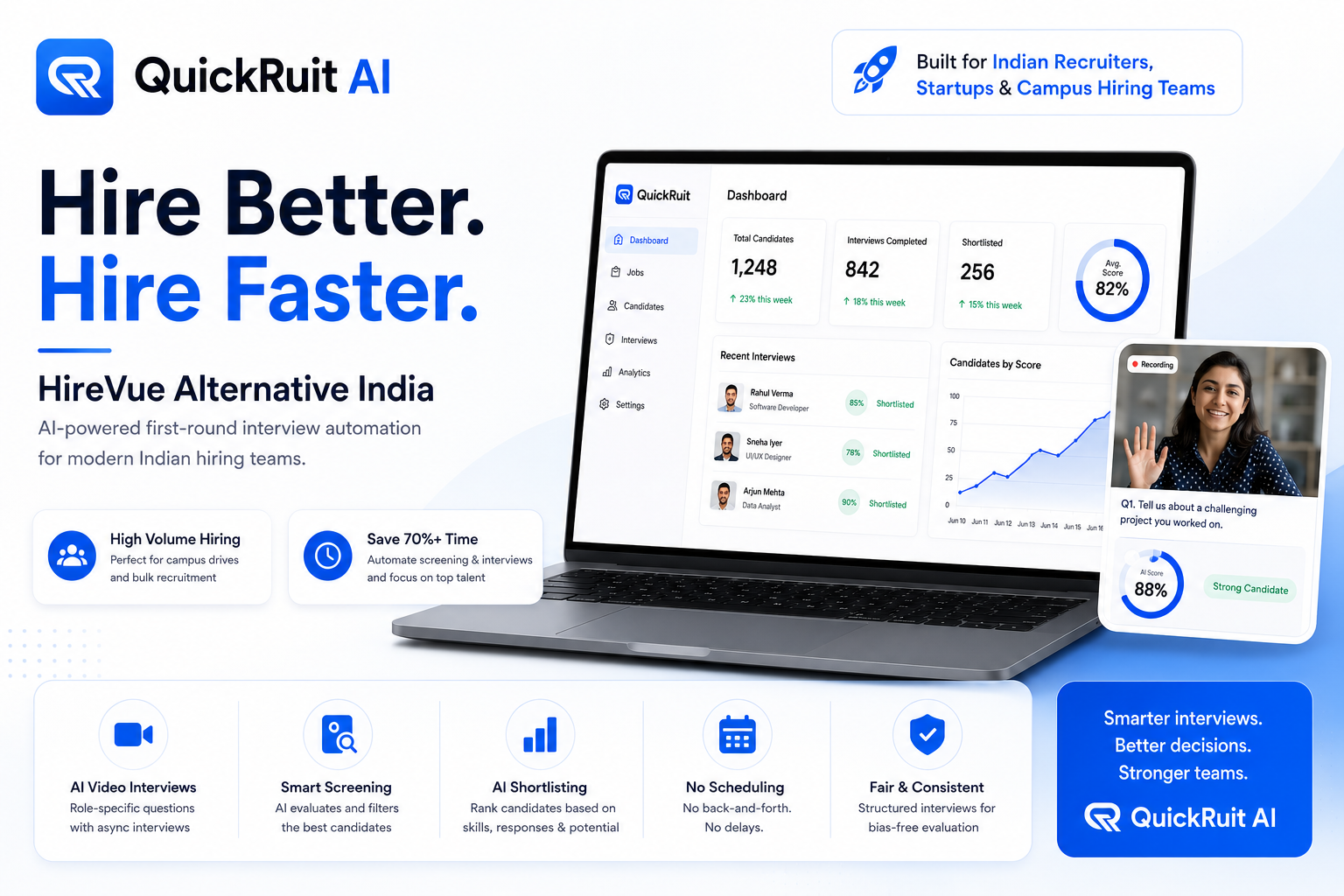
QuickRuit’s AI platform doesn’t just read a piece of paper. It assesses behavioral signals, technical capabilities, and real-time problem-solving through structured AI video interviews.
- We look past the formatting and the keywords.
- We score based on what candidates can do, not just what they say they did.
Don’t let a fabricated PDF cost you your next star employee. Shift to skill-based hiring today.